

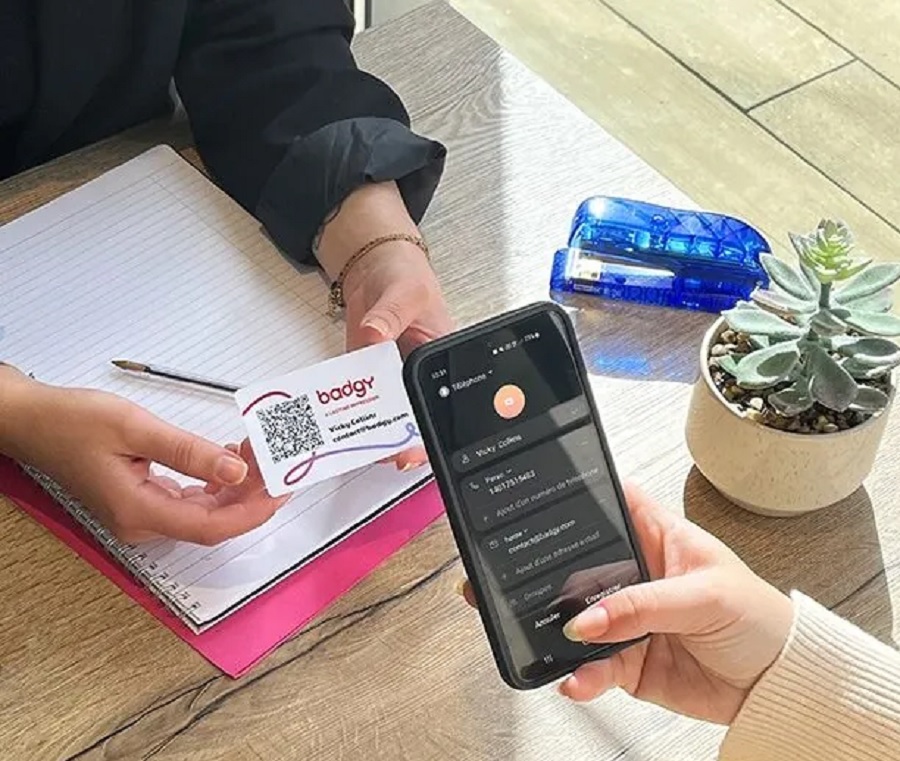
In today’s fast-paced and digitally connected world, professionals are constantly looking for the best ways to stand out. One of the debates that often comes up is: vCards with QR codes vs. traditional paper cards — which one does more for your personal brand? In this article, we explore the comparison, with a positive tone and clear takeaways for anyone in the U.S. thinking about modernizing their networking strategy.
What Are Vcards with QR Codes and Paper Cards?
A Vcard QR code generator creates a scannable code that links to your digital contact card (name, phone, email, social media, website, etc.). When someone scans the QR code, they can save your details immediately into their device. Paper cards are the old-school printed business cards that you hand out in person, featuring your name, title, contact info, etc.
Both have strengths. Paper cards offer a tactile, personal touch; digital cards make updates easier and give you more flexibility.
Why a Vcard QR code generator Gives Your Brand an Edge
Instant Sharing & Updated Info
With a Vcard QR code generator, you avoid the hassle of printing new cards whenever your contact info or position changes. The QR-linked digital profile can be updated at any time, so people always get the current information. This consistency strengthens trust in your brand.
Better Reach & Modern Appeal
Using QR codes shows you’re tech-savvy and modern. People in many industries expect that kind of fluidity. Digital sharing means you can embed the QR in an email signature, share via LinkedIn, or display it on your phone during a meeting. This expands your reach well beyond handing out cards in person.
Cost-Efficiency & Environmentally Friendly
Printing paper cards costs money, especially if you need high quality or large quantities, and updates mean re-printing. Meanwhile, digital cards via a good vcard QR code generator involve minimal recurring costs. They also reduce paper consumption and waste. For those who want their personal brand to reflect sustainable values, this is a meaningful advantage.
Analytics & Engagement Tracking
One of the less obvious but highly valuable benefits is data: how many people scanned your QR, when, where, what they clicked. That feedback helps you understand which networking efforts are paying off. Paper cards can’t offer that.
When Paper Cards Still Make Sense
While digital has many advantages, paper cards aren’t obsolete. They deliver a tangible impression. High-quality printing, distinctive texture, unique finishes can make someone remember you. In some industries — law, real estate, luxury goods — physical presence still conveys traditional professionalism. Also, in settings without reliable digital access, handing someone a card is simple and reliable.
Blending Both for Maximum Brand Boost
The smart approach for many people is using both: a premium paper card that includes a QR code linking to your vcard. That way you get the best of both worlds — the tactile feel and tradition, plus modern flexibility and up-to-date info. On the paper card, include “Scan to save my contact” or similar prompt to help people use the QR code.
Conclusion
If you want your personal brand to feel current, flexible, and digitally native, a strong case exists for embedding digital tools into your networking — namely by using a Vcard QR code generator. It offers faster sharing, easy updates, lower long-term cost, environmental value, and useful analytics. But paper cards still have value, especially in first impressions and more traditional sectors. Overall, for boosting your brand in the U.S. today, leaning into digital tools like QR-linked vcards gives you a very strong advantage.

Comments are closed.